Why Manufacturing Companies Need Technology Partners, Not Just Software Vendors
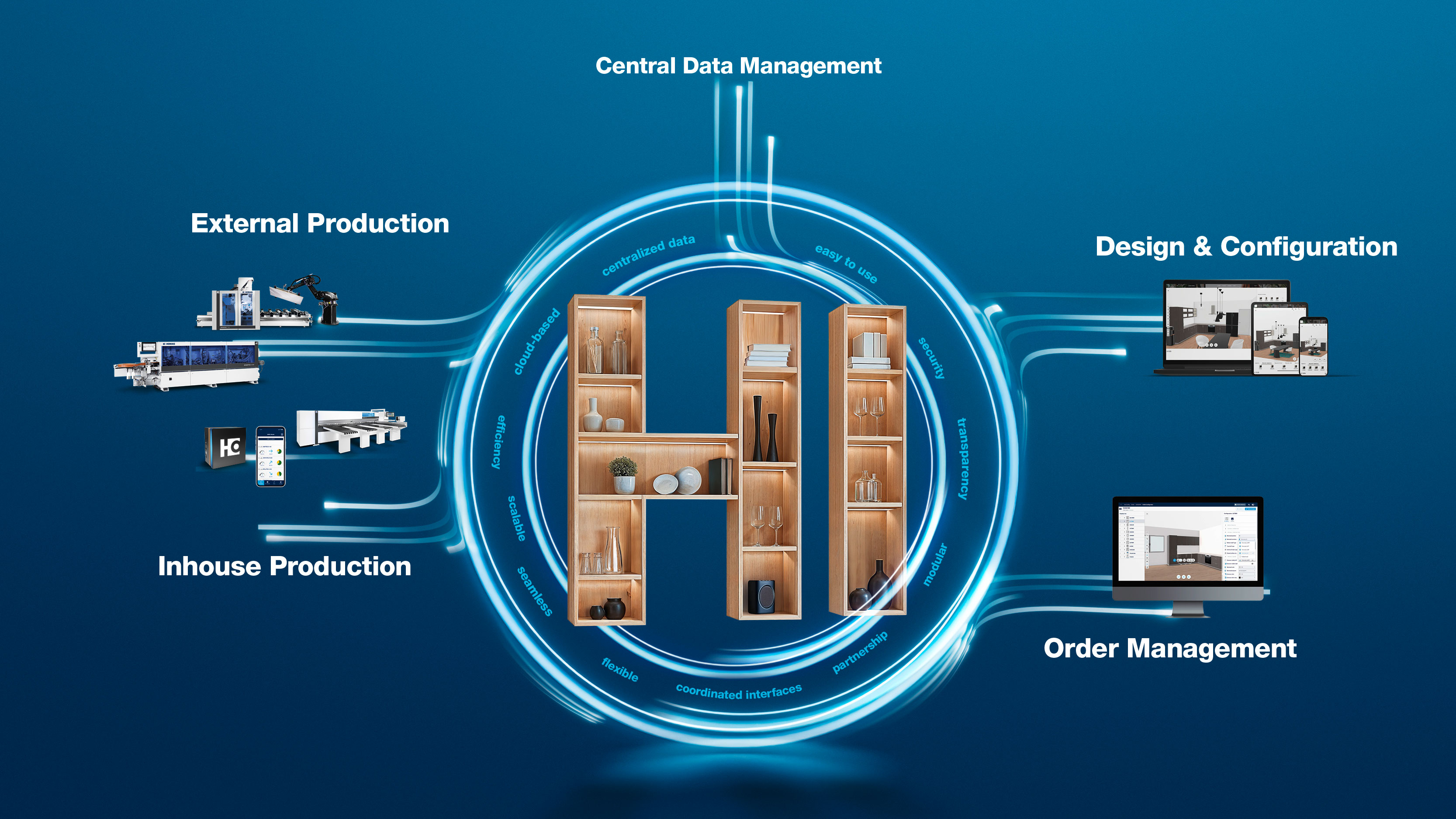
Table of Contents
Why Manufacturing Companies Need Technology Partners, Not Just Software Vendors
Digital transformation has become a strategic priority for manufacturers worldwide. From Artificial Intelligence and automation to data engineering and connected operations, organizations are investing heavily in technology to improve efficiency, product quality, and operational resilience.
Yet despite these investments, many transformation initiatives struggle to deliver long-term value.
The difference often isn't the technology itself. It's the relationship behind it.
Technology Is Only One Part of the Equation
Many manufacturers begin their digital transformation by searching for a software solution. While selecting the right technology is important, software alone rarely solves complex operational challenges.
Manufacturing environments are constantly evolving. Production requirements change, new equipment is introduced, and business priorities shift over time. A successful transformation requires solutions that can evolve alongside the business, not simply be deployed and forgotten.
That's why long-term collaboration has become far more valuable than one-time implementation projects.
Understanding the Manufacturing Environment
Industrial environments are among the most complex operating environments in any industry.
Successfully implementing AI or automation requires far more than technical expertise. It demands an understanding of production processes, operational constraints, existing systems, and the people who rely on them every day.
Technology partners who understand these realities are better positioned to design solutions that integrate naturally into existing operations and create measurable business value.
Innovation Happens Through Collaboration
The most successful industrial AI projects are built through close collaboration between domain experts, software engineers, and operational teams.
Instead of developing technology in isolation, organizations achieve better results when solutions are validated early, refined continuously, and adapted as business needs evolve.
This collaborative approach reduces implementation risk while ensuring every solution remains aligned with real operational objectives.
A Long-Term Partnership in Practice
Our partnership with HOMAG has reinforced an important lesson: successful digital transformation isn't driven by technology alone. It requires close collaboration between software engineers, AI specialists, and manufacturing experts who understand the realities of the factory floor.
By working together, ideas can be validated faster, solutions can be refined continuously, and innovation can deliver measurable business value, not just successful deployments.
Looking Beyond Implementation
Digital transformation doesn't end when a solution goes live.
The greatest value is created through continuous improvement, monitoring performance, refining AI models, integrating new technologies, and adapting solutions as operational needs change.
Manufacturers that embrace this mindset are better equipped to respond to market changes, improve efficiency, and build lasting competitive advantage.
The Future of Manufacturing Is Built on Partnerships
As manufacturing becomes increasingly intelligent and data-driven, organizations need more than software vendors. They need technology partners who understand their industry, share their long-term vision, and remain committed long after deployment.
Because the most successful transformations aren't built through technology alone, they're built through collaboration.
Further Reading
Explore how our partnership with HOMAG supports innovation in manufacturing and contributes to the development of intelligent industrial solutions here.
Related articles
We start by understanding your operations, then build AI systems tailored to your data, and finally.


Ready to see what your data can do?
Start with a conversation. No pitch deck. No obligation. Just a focused discussion about your operations and where AI could make the biggest difference.